
Este artículo está en inglés. Use el selector EN | ES para navegar el resto del sitio en español.
ClinicalDifferential Reinforcement (DRA, DRO, DRI, DRL, DRH): What Data to Take for Each
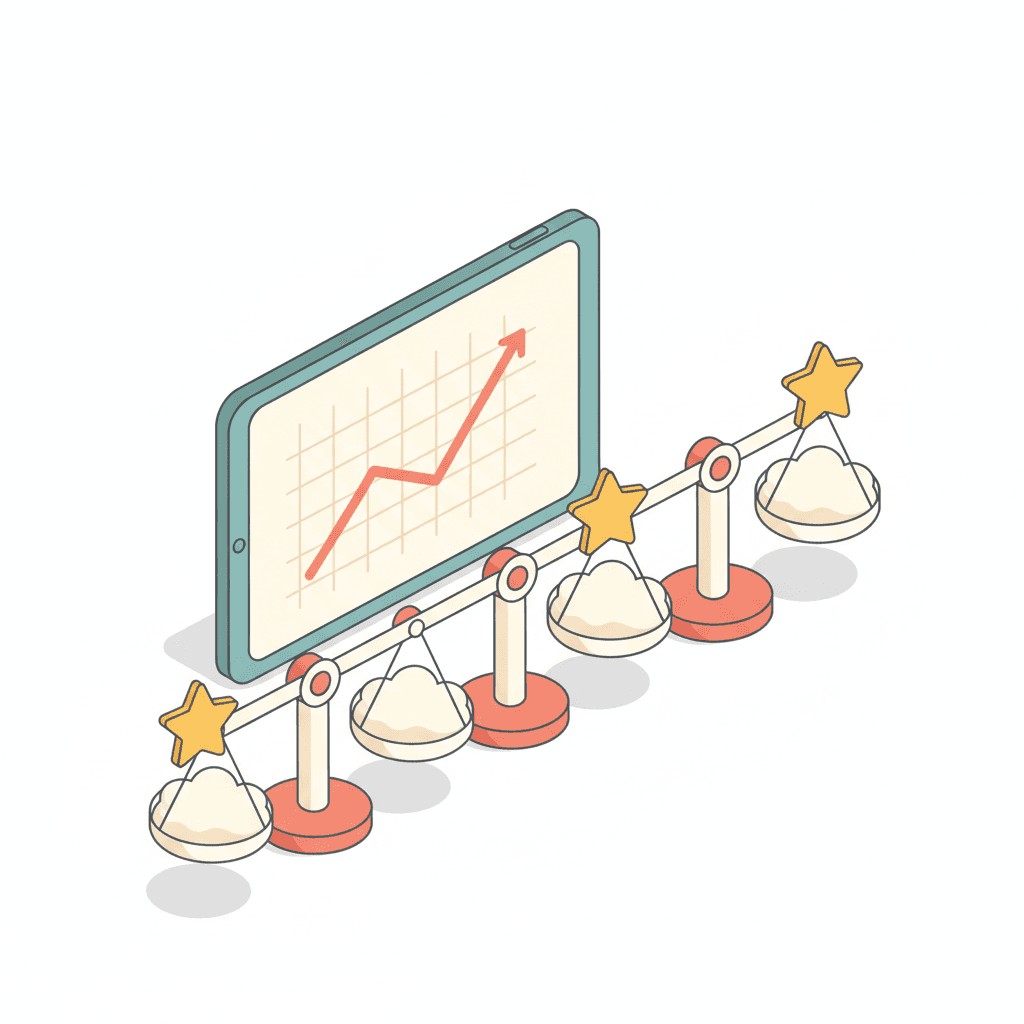
The five differential reinforcement procedures explained in one line each, with the measure that matches each one so the graph answers the clinical question.
Pick the measure that matches what you are reinforcing. If you reinforce an alternative behavior, measure both the alternative and the problem behavior; if you reinforce the absence of behavior, measure intervals or time. Here is each procedure with the data that fits.
1. DRA — Differential Reinforcement of Alternative behavior
Reinforce a functionally equivalent alternative behavior (for example, asking for a break) and withhold reinforcement for the problem behavior. Data: frequency or rate of the alternative behavior, and of the problem behavior, on the same graph.
2. DRO — Differential Reinforcement of Other behavior
Reinforce when the problem behavior has not occurred for a set interval. Data: percent of intervals without the behavior (or time since the last occurrence), plus how often reinforcement was delivered.
3. DRI — Differential Reinforcement of Incompatible behavior
Reinforce a behavior that cannot occur with the problem behavior (hands in lap versus hand flapping). Data: frequency or duration of the incompatible behavior and the problem behavior.
4. DRL — Differential Reinforcement of Low rates
Reinforce when the behavior is at or below a set rate or after a minimum gap. Data: rate and inter-response time.
5. DRH — Differential Reinforcement of High rates
Reinforce when the behavior is at or above a set rate. Data: rate per session, compared to the criterion.
Quick table
| Procedure | Reinforce | Primary measure |
|---|---|---|
| DRA | Alternative behavior | Frequency or rate of both behaviors |
| DRO | No behavior for an interval | Percent of intervals, time since last |
| DRI | Incompatible behavior | Frequency or duration of both |
| DRL | Low rate or longer gaps | Rate, inter-response time |
| DRH | High rate | Rate vs criterion |
Practical tips
- Take baseline first so you know the starting level. See FBA data collection.
- Record reinforcer delivery, so you can check fidelity and thin the schedule later.
- Decide the direction of mastery up front: reductions are "at most" goals.
In TargetFlo
Behavior-reduction targets default to a lower-is-better mastery direction, and the graph draws the mastery line at your threshold. Use frequency, duration or interval targets for these procedures. See ABA graphing software and the clinical data collection hub.
- differential reinforcement
- DRA DRO DRI DRL DRH
- differential reinforcement ABA
- ABA data collection
- behavior reduction data
Véalo en TargetFlo
Saquemos la admisión del fax
Reserve una demo de 30 minutos: mapeamos su flujo de referidos al pipeline de 9 etapas, conectamos su fax y mostramos elegibilidad en admisión.
Reservar demoFAQ